




Some Social Security beneficiaries will receive their monthly benefits slightly earlier than usual in February and March due to a quirk in the calendar.
The Social Security Administration (SSA) ordinarily disburses payments for Supplemental Security Income (SSI) on the first day of a given month. The SSI program provides monthly payments to eligible older adults who have little or no income, as well as to disabled individuals, which is different from Social Security’s standard retirement benefits.
When the first of the month falls on a weekend or a federal holiday, SSI payments for that month are made on the last business day of the preceding month to ensure that beneficiaries have received their funds before the new month begins, and they face potential expenses.
That scenario played out at the start of January, with benefits paid on Dec. 31 rather than Jan. 1 due to New Year’s Day being a federal holiday, and will occur again in the next two months when SSI benefits are disbursed.
SOCIAL SECURITY COLA FOR 2026 REVEALED FOLLOWING SHUTDOWN-RELATED DELAY
February’s SSI benefits will be paid to recipients on Friday, Jan. 30, because Feb. 1 falls on a Sunday this year.
Those benefit payments aren’t expected to be impacted if Congress is unable to agree on a funding deal to avoid a government shutdown that would begin Saturday morning.
The SSI benefits for March will be paid on Friday, Feb. 27, because March 1 is a Sunday.
SHOULD THE SOCIAL SECURITY COLA BE MEASURED WITH A SENIOR-FOCUSED INFLATION METRIC?
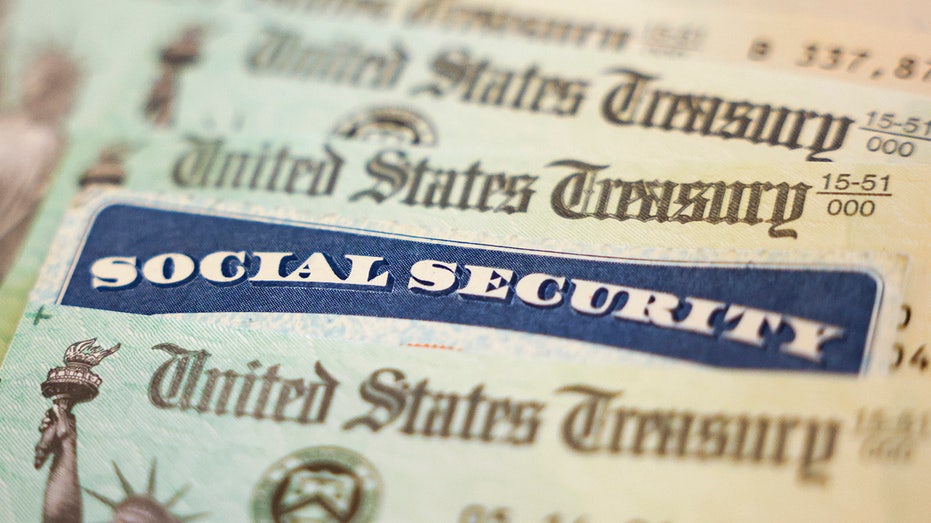
SSI payments are typically made via direct deposit, though beneficiaries without bank accounts or who want to receive the funds through a different mechanism can get them on Direct Express cards.
SSA moved to discontinue paper checks at the end of September following a Trump administration order earlier this year that mandated all federal payments transition to electronic transfers, such as direct deposit to bank accounts or transfers to debit cards.
SOCIAL SECURITY COMMISSIONER FRANK BISIGNANO NAMED IRS CEO

Data from the SSA showed that as of September, more than 68 million Americans around the country were receiving Social Security benefits. Of that figure, around 390,000, or about 0.6%, were receiving paper checks.
The SSA website offers methods by which beneficiaries can enroll in direct deposit through the My Social Security platform, or by phone through either the SSA or the Treasury Department’s electronic payment solution center.
Read the full article here